Piping Isometric IFC Verification Checklist: 57-Point Guide for Piping Checkers
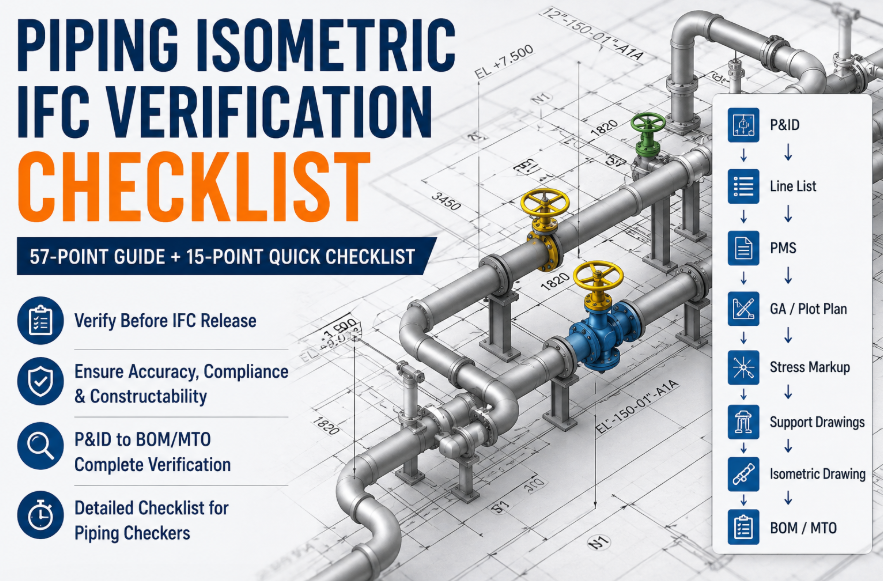
Piping Isometric IFC Verification Checklist

Piping Isometric IFC Verification Checklist In many EPC projects, piping checkers work under tight schedules and face constant pressure to release Isometric Drawings for Construction (IFC) on time. At the same time, every drawing must be checked carefully to ensure that all engineering requirements, dimensions, materials, supports, and design information have been incorporated correctly. Before … Read more

L&T Energy Hydrocarbon Hiring Piping Engineering Professionals

L&T Energy Hydrocarbon has announced multiple openings for experienced piping engineering professionals. The company is recruiting engineers for Detail Engineering & Design projects in the Oil & Gas, Refinery, Petrochemical, and EPC sectors. Candidates with experience in piping design, stress analysis, piping materials, and 3D modeling are encouraged to apply. These positions are available at … Read more

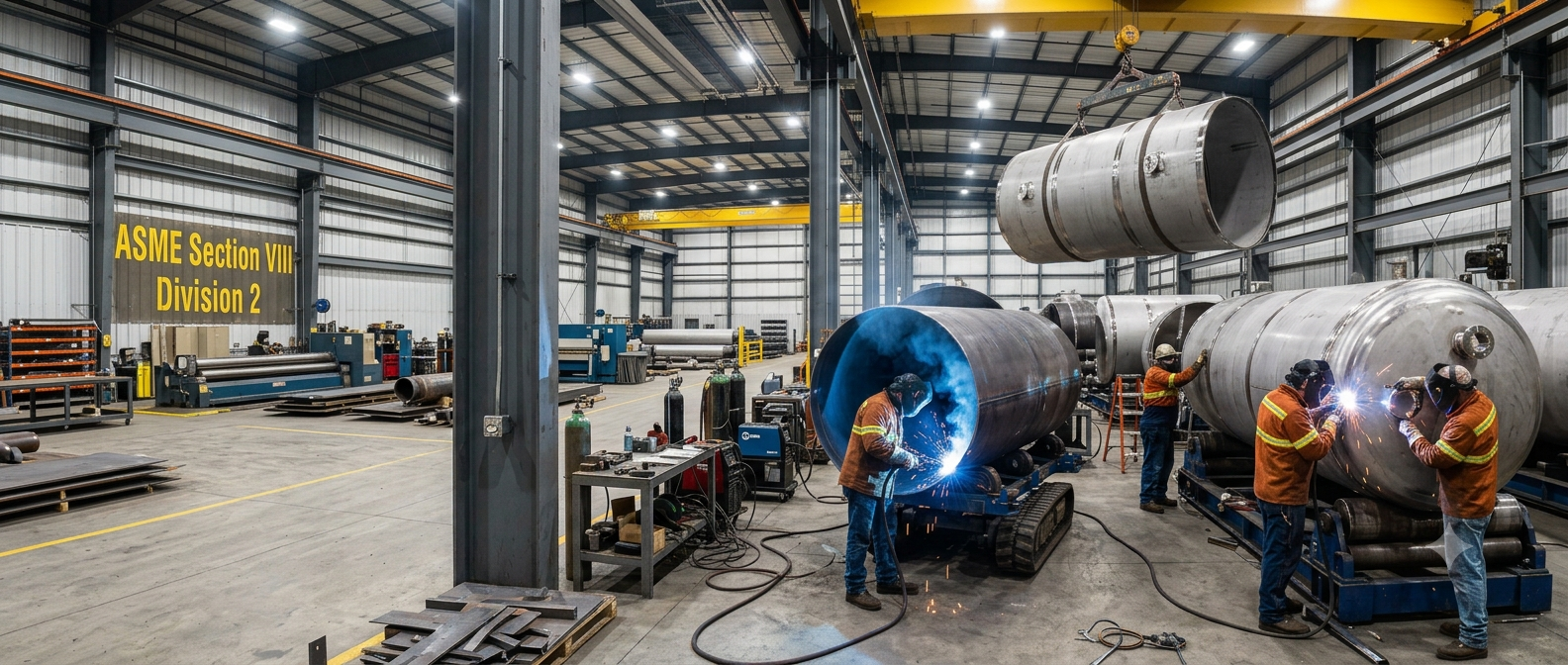
Allowable Stress, and Pressure Vessel Design, ASME Section VIII Division 2 Explained: Design by Analysis, Fatigue, MAWP

ASME Section VIII Division 2 Explained – Pressure Vessel Design by Analysis

Learn ASME Section VIII Division 2 in simple English with practical engineering examples. Understand Design by Analysis (DBA), allowable stress, MAWP, fatigue analysis, material selection, and how Division 2 differs from Division 1. Introduction Pressure vessels are among the most critical pieces of equipment in industries such as oil and gas, petrochemicals, LNG, fertilizers, and … Read more

ASME Section VIII Division 1 Explained

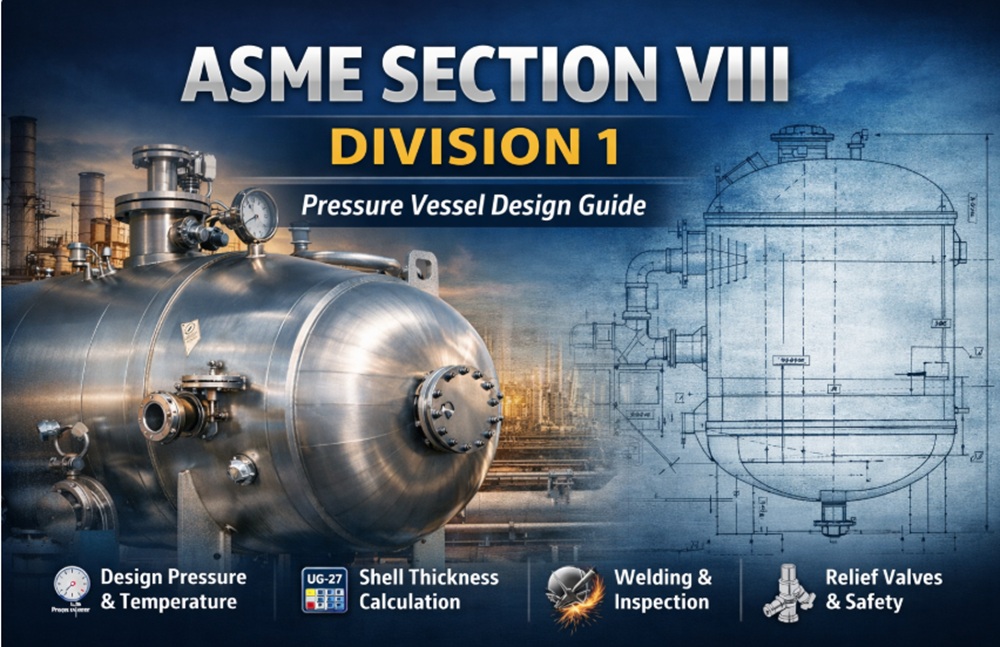
ASME Section VIII Division 1 pressure vessel design illustration showing cylindrical vessel, shell thickness calculation, welding inspection, design pressure and relief valve system.

Complete Guide to Pressure Vessel Design, Calculation, and Code Requirements Learn ASME Section VIII Division 1 with practical examples. Understand design pressure, MAWP, thickness calculation, welding, hydrotest & vessel rules. Pressure vessels are critical equipment in oil & gas plants, refineries, chemical industries, and power plants. Equipment such as separators, scrubbers, surge drums, reactors, columns, … Read more

Piping Flanges and Fittings Explained as per Industry Practice

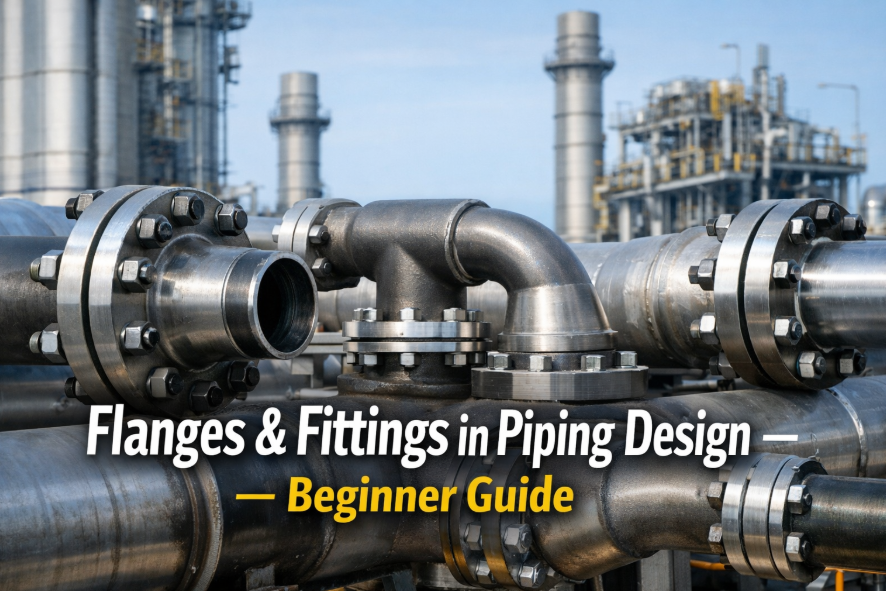
Industrial piping system showing flanges and fittings including weld neck flanges, elbows, and reducers used in piping design for power plants and refineries

Understand flanges and fittings in piping engineering with this detailed beginner guide. The article explains piping class, flange ratings, design pressure, design temperature, and material specifications clearly. Real-world plant examples help you learn correct flange and fitting selection. Perfect for learning piping design basics as per industry practice. Introduction: Why Flanges & Fittings Matter in … Read more

Piping Isometrics Step-by-Step Guide for Beginners | ASME B31.1

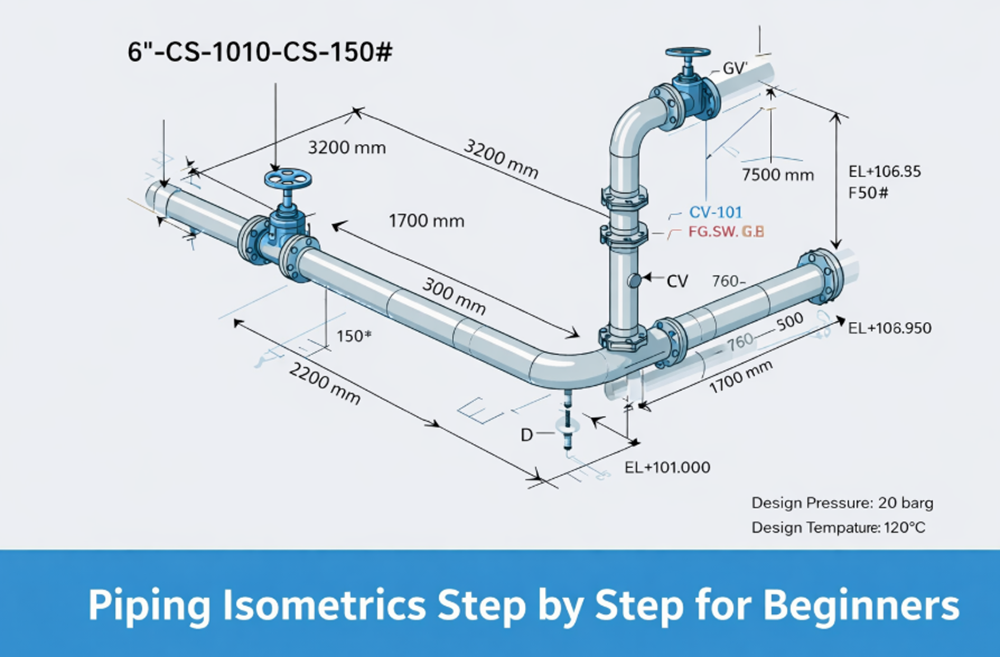
Piping isometrics step by step for beginners in piping engineering

Learn piping isometrics step by step with clear explanations designed for beginners in piping engineering. This practical guide explains piping design using real plant examples, including P&ID interpretation, line numbering system, piping class, and material specification. Based on ASME B31.1 power piping and industry best practices used in oil and gas piping projects. Ideal for … Read more

ASME B31.1 Thermal Expansion & Stress Analysis Explained – Power Piping Design Guide

Power plant steam piping showing thermal expansion, stress analysis concept, and pipe supports as per ASME B31.1 power piping code

Learn how thermal expansion, stress analysis, and pipe supports are handled in ASME B31.1 power piping. Practical examples, plant failures, and beginner-friendly explanations by an experienced piping engineer. Introduction Why Thermal Expansion Matters in Power Piping In power plant piping systems, temperature is the real enemy—not pressure. Many junior engineers focus heavily on design pressure, … Read more

P&ID Symbols and Flow Diagrams Explained – Essential Guide for Piping Design Engineers

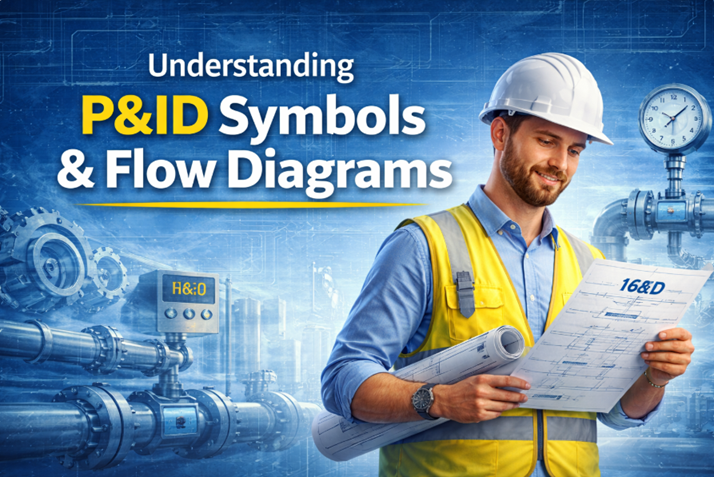
P&ID symbols and flow diagram illustration showing piping valves, instruments, line numbering system, and piping engineering elements

Learn P&ID symbols and flow diagrams step by step. Beginner-friendly guide to piping design, line numbering system, piping class, ASME B31, and oil and gas piping. Introduction A P&ID (Piping and Instrumentation Diagram) is one of the most important technical documents used in Piping Design and Piping Engineering. It represents how a process system is … Read more

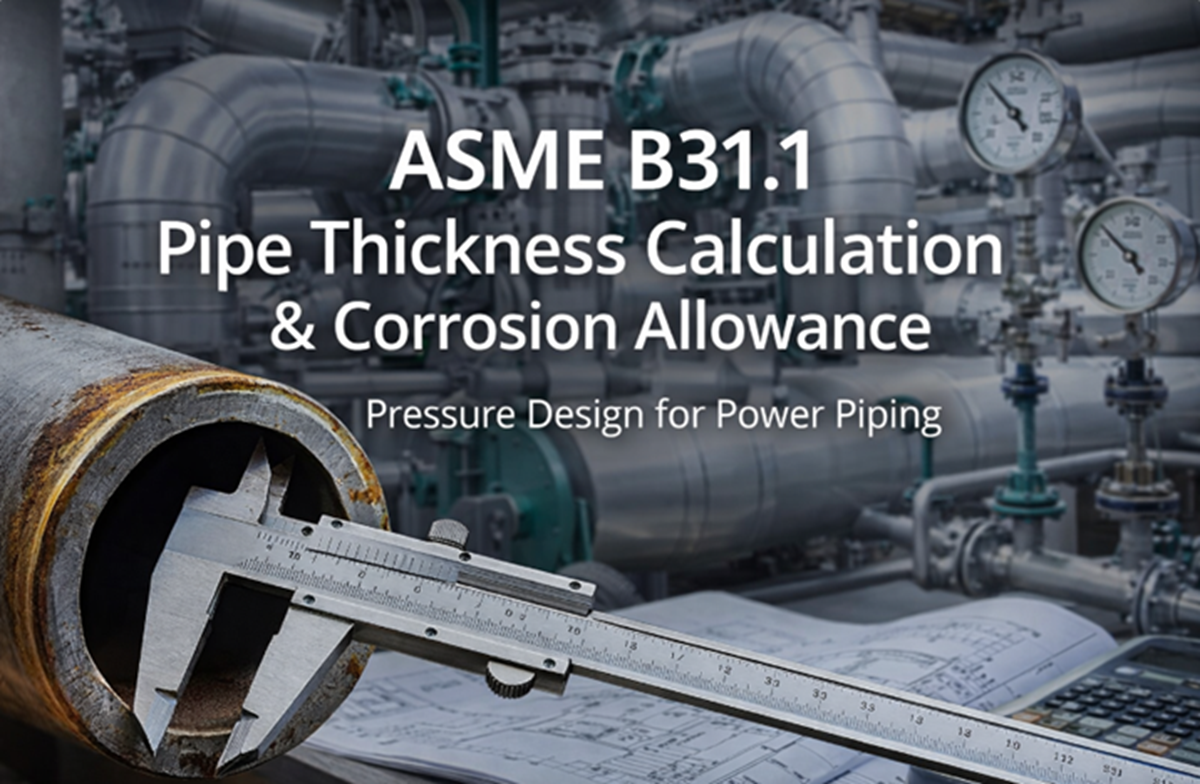
ASME B31.1 Pressure Design Explained: Pipe Thickness Calculation & Corrosion Allowance for Power Piping

ASME B31.1 power piping system showing pipe thickness calculation and corrosion allowance for pressure design in power plants

Learn how pipe wall thickness is calculated under ASME B31.1. Understand pressure design, corrosion allowance, mill tolerance, and real plant examples from main steam and boiler feedwater piping. Introduction In piping engineering, pipe thickness is not chosen randomly, nor is it based only on experience or “what worked before.”In power plants, refineries, oil & gas … Read more

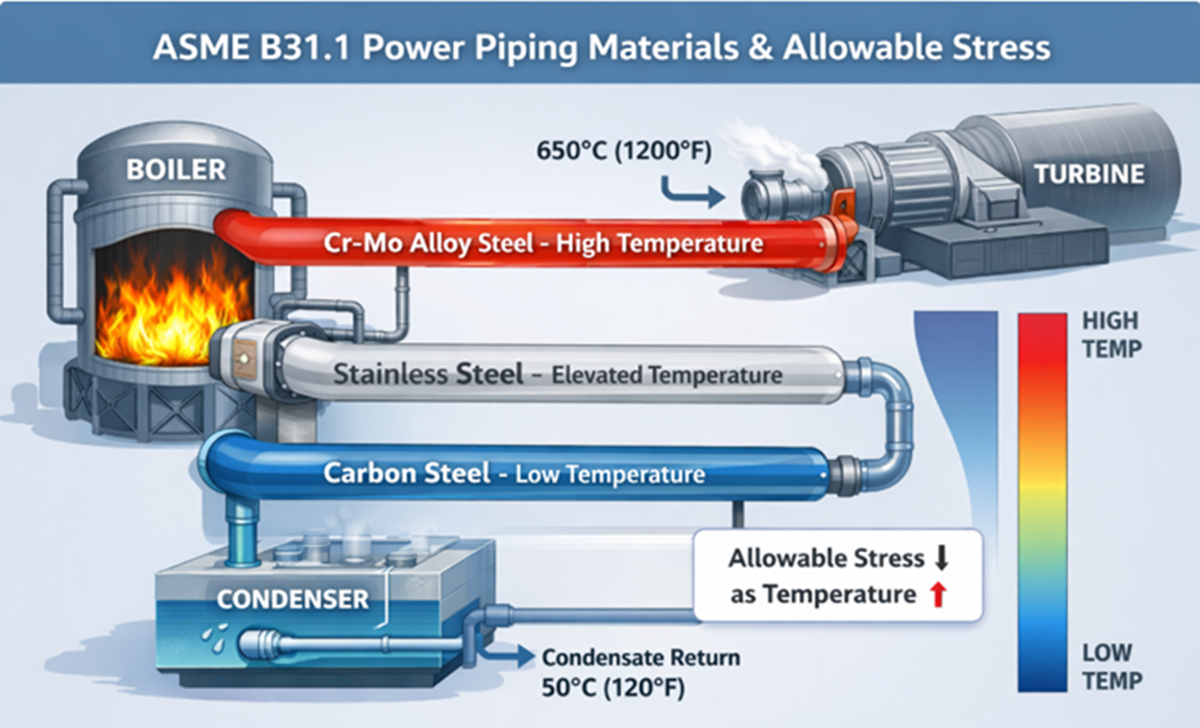
Piping Materials and Allowable Stress in ASME B31.1 Power Piping – Practical Guide for Engineers

ASME B31.1 power piping materials showing carbon steel, stainless steel, and Cr-Mo alloy steel with temperature effect on allowable stress in a power plant steam system

Learn how piping materials and allowable stress are selected in ASME B31.1 power piping. Understand carbon steel, alloy steel, stainless steel, temperature effects, creep behavior, and common material selection mistakes with real plant examples. Introduction: Why Material Selection Is Different in Power Piping In piping engineering, many beginners assume that material selection is the same … Read more